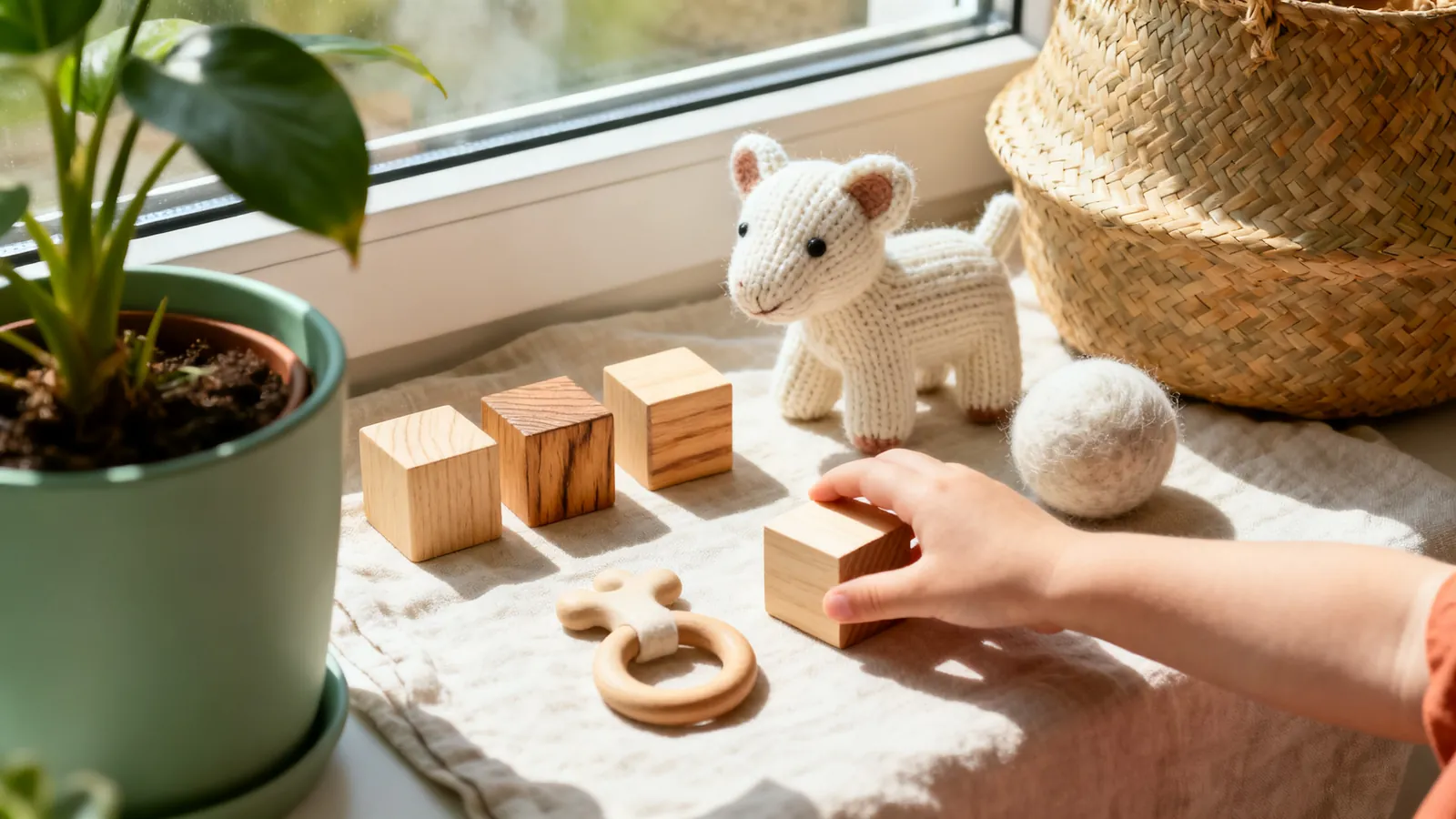
The Complete Guide to Eco-Friendly Montessori Toys: Sustainable Choices for Conscious Parents in 2025
As an Amazon Associate we earn from qualifying purchases. Links on this page may be affiliate links. Learn more
Are you searching for toys that nurture both your child's development and our planet's future? In 2025, eco-conscious parenting is no longer a trend—it's a necessity.
This comprehensive guide will help you navigate the world of eco-friendly Montessori toys, from understanding sustainable materials to choosing certified brands that align with your values.
Why Eco-Friendly Montessori Toys Matter in 2025
Environmental Impact
Traditional plastic toys contribute to:
- Toys made mostly from petroleum-based plastic
- Plastic that breaks into smaller pieces instead of decomposing
- Harmful chemicals leaching into soil and water
Health Benefits
Eco-friendly Montessori toys offer:
- Non-toxic materials free from BPA, phthalates, and lead
- Natural finishes using plant-based oils and beeswax
- Hypoallergenic properties safe for sensitive children
Developmental Advantages
Sustainable materials provide:
- Sensory richness through natural textures and weights
- Durability that encourages longer, deeper play
- Timeless design that grows with your child
Understanding Sustainable Materials
FSC-Certified Wood: The Gold Standard
Forest Stewardship Council (FSC) certification guarantees wood comes from responsibly managed forests. Look for toys with the FSC logo to ensure:
- Environmental protection of forest ecosystems
- Fair labor practices for forestry workers
- Sustainable harvesting that preserves forests for future generations
Toy brands and what they say about their wood:
- PlanToys - Not FSC certified. Its FAQ says it can't be, because it uses rubberwood from retired latex plantations rather than forest wood. Shop PlanToys on Amazon
- Hape - Says it uses FSC-certified materials alongside bamboo; check the individual product for the FSC label. View Hape Eco-Friendly Collection
- Melissa & Doug - Announced that its top-selling wood products and all paper products would be FSC-certified in 2022. Not every item is covered, so look for the FSC note on the listing. Browse Sustainable Wood Toys
Organic Cotton and Natural Fabrics
For soft toys, books, and sensory items:
- GOTS-Certified Organic Cotton (Global Organic Textile Standard)
- Natural wool from ethical sources
- Hemp and bamboo fabrics for durability
Recommended Products:
- Organic Cotton Quiet Books - Perfect for sensory development
- Natural Wool Felt Toys - Durable and biodegradable
Recycled and Upcycled Materials
Innovative brands are creating beautiful Montessori toys from:
- Recycled plastic (post-consumer waste)
- Reclaimed wood from old furniture or buildings
- Natural rubber from sustainable rubber trees
Featured Product: Green Toys Stacking Cups - Made from recycled plastic, mostly milk jugs, according to Green Toys.
Top 15 Eco-Friendly Montessori Toys by Age Group
For Infants (0-12 Months)
1. Wooden Grasping Toys
- Solid wood; Grimm's says it uses wood from sustainable forestry
- Non-toxic plant oil finish
- Perfect size for tiny hands
2. Organic Cotton Sensory Balls
- Organic cotton (check the listing for a GOTS label before you buy)
- Different textures for tactile development
- Machine washable
3. Natural Wood Teething Ring
Wooden Teether with Organic Cotton
- Food-grade beechwood
- Chemical-free finish
- Helps with teething pain naturally
For Toddlers (1-3 Years)
4. Rainbow Wooden Stacker
Grimm's Rainbow Stacker
- Lime wood glazed with water-based color
- Grimm's says its wood comes from sustainable forestry (no FSC claim)
- Open-ended play for creativity
5. Wooden Shape Sorter
PlanToys Geometric Sorting Board
- Rubberwood from retired latex trees (PlanToys is not FSC certified)
- E-Zero formaldehyde-free glue
- Water-based dyes
6. Eco-Friendly Stacking Cups
Green Toys Stacker
- Recycled plastic, mostly milk jugs (per Green Toys)
- BPA-free, phthalate-free
- Dishwasher safe
7. Natural Wood Peg Puzzle
- Wood; check the listing for an FSC label
- Non-toxic water-based paint
- Invites fine motor practice
For Preschoolers (3-5 Years)
8. Wooden Building Blocks Set
Melissa & Doug Wooden Block Set
- 100 wooden blocks; Melissa & Doug lists the set as FSC-certified for new inventory
- Natural wood finish
- Storage crate included
9. Natural Wooden Counting Bears Alternative
- Sustainable beechwood
- Natural dyes
- Math and sorting skills
10. Eco Magnetic Drawing Board
Wooden Magnetic Drawing Tablet
- Wood frame from sustainable sources
- Eliminates paper waste
- Creative expression without mess
11. Wooden Threading Lacing Toy
- Rubberwood, kiln-dried instead of chemically treated
- Lace for threading through the holes
- Practical life skills
For School Age (5+ Years)
12. Wooden Science Exploration Kit
- Wood and bamboo parts; check the listing for an FSC label
- Encourages outdoor learning
- Bamboo and wood construction
13. Sustainable Art Supply Set
- Recycled paper and cardboard
- Non-toxic, plant-based colors
- Biodegradable materials
14. Wooden Marble Run
- Hape's Quadrilla page lists FSC-certified beechwood
- Water-based paint
- STEM learning through play
15. Natural Wood Chess Set
- Sustainable wood construction
- Hand-carved pieces
- Strategic thinking development
Understanding Certifications and Labels
When shopping for eco-friendly Montessori toys, look for these certifications:
Essential Certifications
FSC (Forest Stewardship Council)
- Ensures wood from responsibly managed forests
- Most important for wooden toys
GOTS (Global Organic Textile Standard)
- Guarantees organic fibers
- Critical for fabric toys and books
CPSIA Compliant
- U.S. Consumer Product Safety Improvement Act
- Required for all children's toys
- Tests for lead and phthalates
CE Mark (European Conformity)
- European safety standards
- Good indicator of quality
ASTM F963
- American Society for Testing and Materials
- Comprehensive toy safety standard
Eco-Labels to Know
- Green Seal - Environmental standard certification
- Cradle to Cradle - Product sustainability certification
- Oeko-Tex Standard 100 - Textile safety certification
- Rainforest Alliance - Sustainable sourcing
Brand Spotlight: Top Sustainable Montessori Toy Companies
1. PlanToys
PlanToys leads the industry in eco-innovation:
- Uses rubberwood from trees that no longer produce latex, and says it is not FSC certified because it doesn't use forest wood
- Kiln-dries the wood instead of treating it with chemicals
- Packaging partner uses recycled paper pulp mixed with FSC-certified virgin pulp
- E-Zero formaldehyde-free glue and water-based dyes
2. Grimm's Spiel und Holz
German craftsmanship meets sustainability:
- Says it uses wood from sustainable forestry (lime, maple, alder and beech appear on its product pages); we found no FSC certification claim on its site
- Water-based colors that Grimm's describes as non-toxic and saliva-resistant
- Handcrafted with minimal machinery
- Heirloom quality that lasts generations
3. Hape
Award-winning sustainable toy maker:
- Says it uses bamboo and FSC-certified materials; check each product for the FSC label
- Water-based colors and recycled cardboard packaging
- Says its products are certified to ASTM F963 and EN 71 before sale
4. Green Toys
Plastic, reimagined sustainably:
- Mostly post-consumer recycled milk jugs
- Started as a USA-made brand; some production is now overseas
- Dishwasher safe for easy cleaning
- Free of BPA, phthalates and PVC
5. Under the Nile
Organic cotton specialists:
- Toys stuffed by hand with GOTS-certified Egyptian cotton
- Says its toys are made in a Certified Fair Trade facility in Egypt
- A good fit for soft first toys
DIY Eco-Friendly Montessori Toy Ideas
Not every toy needs to be purchased. Here are sustainable DIY options:
1. Treasure Basket (Infants)
Materials Needed:
- Wicker basket (thrift store)
- Natural objects: wooden spoons, fabric scraps, shells, pinecones
- Metal measuring cups
- Leather wallet (old)
Cost: mostly items you already have
2. Sensory Bottles (Toddlers)
Materials:
- Glass or recycled plastic bottles
- Natural items: rice, beans, small stones
- Water and vegetable glycerin
- Food coloring (natural)
3. Nature Collection Box (All Ages)
Materials:
- Wooden box or recycled container
- Compartment dividers (cardboard)
- Items from nature walks
Cost: Free
4. Fabric Book (Infants-Toddlers)
Materials:
- Organic cotton fabric scraps
- Non-toxic thread
- Simple images from old magazines
How to Transition to Eco-Friendly Toys
Making the switch doesn't have to be overwhelming. Follow this gradual approach:
Phase 1: Audit and Assess (Week 1)
- Inventory current toys
- Identify plastic toys with toxic concerns
- Note toys needing replacement soon
- Keep safe, durable plastic toys
Phase 2: Prioritize Safety (Weeks 2-4)
Replace immediately:
- Toys with BPA, PVC, or phthalates
- Broken plastic toys
- Toys for infants (mouthing stage)
Phase 3: Strategic Additions (Months 2-6)
Add eco-friendly options:
- Birthday gifts
- Holiday presents
- Milestone rewards
Phase 4: Quality Over Quantity (Ongoing)
Adopt a minimalist approach:
- One quality toy instead of three cheap ones
- Rotate toys to maintain interest
- Borrow, swap, or rent specialty items
Caring for Eco-Friendly Toys
Proper maintenance extends toy life and protects your investment:
Wooden Toys
Weekly Cleaning:
- Wipe with damp cloth
- Dry immediately
- Avoid soaking in water
Monthly Deep Clean:
- Mix 1:1 white vinegar and water
- Spray lightly and wipe
- Apply food-grade mineral oil or beeswax annually
Never:
- Put in dishwasher
- Use harsh chemicals
- Leave in direct sunlight (causes fading)
Organic Fabric Toys
Regular Washing:
- Hand wash in cold water
- Use plant-based, fragrance-free detergent
- Air dry in shade
Stain Treatment:
- Baking soda paste for tough stains
- Lemon juice for brightening
- Avoid bleach
Recycled Plastic Toys
Cleaning:
- Top rack of dishwasher OK (check label)
- Warm soapy water
- Sanitize with vinegar solution
Storage:
- Keep out of extreme heat
- Avoid direct sunlight (prevents degradation)
Where to Buy Eco-Friendly Montessori Toys
Online Retailers
Amazon (with careful selection)
- Search: FSC Certified Wooden Toys
- PlanToys Official Store
- Hape Store
- Read reviews and verify certifications
Specialty Eco Toy Stores:
- For Small Hands
- Bella Luna Toys
- Oompa Toys
- The Natural Baby Company
Secondhand Options
ThredUp, Poshmark, Mercari
- Search "wooden toys," "Grimm's," "PlanToys"
Local Options:
- Consignment shops
- Facebook Marketplace
- Neighborhood Buy Nothing groups
- Toy libraries (rent instead of buy!)
Buying Tips:
✅ Always verify certifications ✅ Check seller ratings ✅ Read recent reviews ✅ Compare prices across platforms ✅ Look for bundle deals ✅ Subscribe to brand newsletters for sales
Eco-Friendly Toy Storage Solutions
Sustainable organization completes your eco-conscious playroom:
Natural Storage Options
1. Wooden Toy Shelves Natural Wood Toy Shelf
- Solid wood (check the listing for an FSC label)
- Low Montessori-style design
- No VOC finish
2. Wicker and Rattan Baskets Natural Woven Baskets
- Biodegradable materials
- Beautiful texture
- Lightweight for kids
3. Organic Cotton Bins Canvas Storage Bins
- Organic cotton canvas (look for a GOTS label on the listing)
- Washable
- Collapsible
4. Bamboo Organizers Bamboo Drawer Organizers
- Rapidly renewable resource
- Naturally antimicrobial
- Durable
Creating an Eco-Friendly Montessori Play Space
Design principles for a sustainable playroom:
1. Natural Light
- Maximize windows
- Use LED bulbs (energy efficient)
- Position toys near natural light
2. Natural Materials
- Wood flooring or natural fiber rugs
- Cotton or linen curtains
- Plants for air quality
3. Minimalist Design
- Open shelving for visual calm
- 8-12 toys visible at a time
- Toy rotation system
4. Eco-Friendly Furniture
- Second-hand wooden furniture
- Non-toxic paints and finishes
- Modular pieces that grow with child
5. Sustainable Décor
- Nature-inspired art
- Wooden mirrors
- Plants at child height
Frequently Asked Questions
Are eco-friendly toys really worth the higher price?
Often, yes. A well-made wooden toy can last through several children and still resell, while thin plastic toys tend to break sooner.
How can I tell if a toy is truly eco-friendly?
Look for these certifications: FSC (wood), GOTS (organic textiles), CPSIA compliance, and specific eco-labels like Green Seal or Cradle to Cradle. Verify certifications on manufacturer websites. Be wary of vague terms like "natural" or "green" without backing certifications.
Can I clean wooden toys with disinfectant?
Avoid harsh chemical disinfectants on wooden toys. Instead, use a 1:1 solution of white vinegar and water, which naturally disinfects. Spray lightly, wipe immediately, and dry thoroughly. For deep cleaning, add a drop of mild dish soap.
Are all wooden toys eco-friendly?
No. Look specifically for:
- FSC certification (ensures sustainable forestry)
- Non-toxic finishes (plant oils, beeswax, water-based paint)
- Solid wood (not plywood with formaldehyde glue)
- Ethical manufacturing practices
What's the most eco-friendly material for baby toys?
For babies under 12 months who mouth everything, the safest options are:
- FSC-certified solid wood with food-grade finish
- GOTS-certified organic cotton
- Natural rubber (from rubber trees)
- Untreated hardwoods like maple or beech
Avoid painted toys for young babies who are teething.
How do I dispose of old toys sustainably?
Follow this hierarchy:
- Donate - intact toys to shelters, daycares, or charity
- Sell - quality items on Facebook Marketplace or consignment
- Repurpose - broken wooden toys become art supplies
- Recycle - check with local recycling centers for plastic toys
- Landfill - only as last resort
Many communities have toy swap events—perfect for refresh without waste.
Are recycled plastic toys as safe as wooden toys?
High-quality recycled plastic toys from reputable brands (like Green Toys) are very safe. They're:
- BPA-free, PVC-free, phthalate-free
- Made from post-consumer recycled materials
- Third-party safety tested
However, wooden toys offer additional benefits like natural textures and zero microplastic shedding.
Can eco-friendly toys handle rough play?
Quality sustainable toys are often MORE durable than plastic alternatives:
- Hardwoods like beech and maple resist dents
- Solid wood doesn't crack like thin plastic
- Natural rubber is extremely resilient
- Some brands sell replacement parts (PlanToys replaces missing or broken parts for a fee)
How many eco-friendly toys does a child really need?
Following Montessori principles and minimalism research:
- Infants (0-12 months): 5-8 toys
- Toddlers (1-3 years): 8-12 toys visible, 20-30 total with rotation
- Preschool (3-5 years): 10-16 toys visible, 30-40 total with rotation
- School age (5+ years): 15-20 open-ended toys
Quality over quantity creates deeper, more meaningful play.
What if I can't afford all eco-friendly toys?
Start with these priorities:
- Toys for babies (most vulnerable to toxins)
- Frequently used items (best value for investment)
- Open-ended toys (building blocks, art supplies)
- DIY options (treasure baskets, nature collections)
You don't need to replace everything at once. Even small changes make a difference.
Conclusion: Building a Sustainable Play Future
Choosing eco-friendly Montessori toys is an investment in three crucial areas:
- Your child's development - Through open-ended, educational play
- Your child's health - By avoiding toxic chemicals and materials
- Your child's future planet - Through conscious consumer choices
The eco-friendly toy market is booming because parents like you recognize that our purchasing decisions shape the world our children will inherit. Every sustainable toy you choose sends a message to manufacturers: we demand better for our kids and our planet.
Your Action Plan
This Week:
- Audit your current toy collection
- Identify 3 items to replace with eco-friendly alternatives
- Research brands that align with your values
This Month:
- Make your first sustainable toy purchase
- Implement a simple toy rotation system
- Join a local toy swap or library
This Year:
- Replace broken plastic toys with wooden or recycled-plastic ones as they wear out
- Share your journey with other parents
- Support sustainable toy companies with your wallet
Start Your Eco-Friendly Journey:
Remember: sustainable parenting isn't about perfection—it's about progress. Every eco-friendly choice you make contributes to a healthier childhood and a healthier planet.
What eco-friendly toy will you choose first? Share your sustainable parenting journey in the comments below!
Related Articles: